
Subtotal ₹0.00
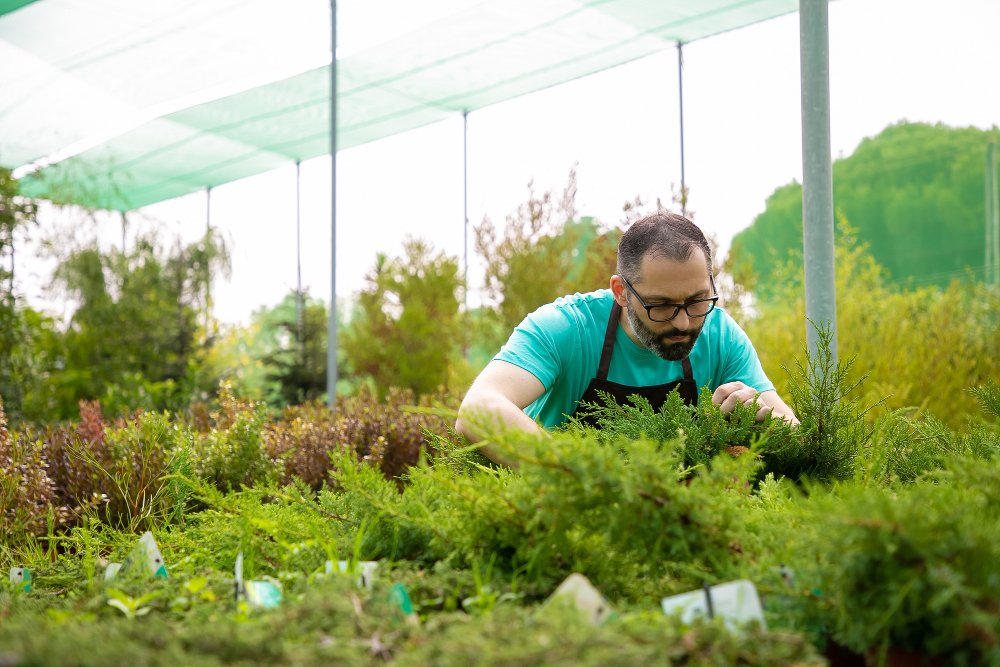
Sustainable Farming Practices for Healthier Communities
Sustainable farming is more than just a method of growing food—it is a long-term commitment to protecting the environment, improving public health, and strengthening local communities. As modern agriculture faces challenges such as soil degradation, water scarcity, and climate change, sustainable practices offer a balanced approach that supports both farmers and consumers.
At the heart of sustainable farming is soil health. Practices like crop rotation, cover cropping, and organic composting help restore nutrients, improve soil structure, and reduce erosion. Healthy soil leads to stronger crops, higher yields, and reduced dependence on chemical fertilizers, making farming more resilient and eco-friendly.
-
Soil health management through crop rotation, composting, and organic inputs
-
Efficient water use using drip irrigation, mulching, and rainwater harvesting
-
Natural pest control by encouraging beneficial insects and biodiversity
-
Chemical-free farming to ensure safer food and a healthier environment
-
Climate-resilient practices that reduce carbon footprint and improve farm sustainability
-
Local food production supporting fresh produce and stronger rural communities
Additionally, sustainable farming helps combat climate change by lowering carbon emissions and increasing carbon sequestration through healthy soils and diverse crops. These efforts contribute to a more balanced ecosystem and a safer future for generations to come.
In conclusion, sustainable farming practices create a powerful connection between the land and the people who depend on it. By choosing environmentally responsible agricultural methods, we can build healthier communities, protect natural resources, and ensure a sustainable food system for the future.